
THEMES
LIVABILITY
THEMES
LIVABILITY
Our core
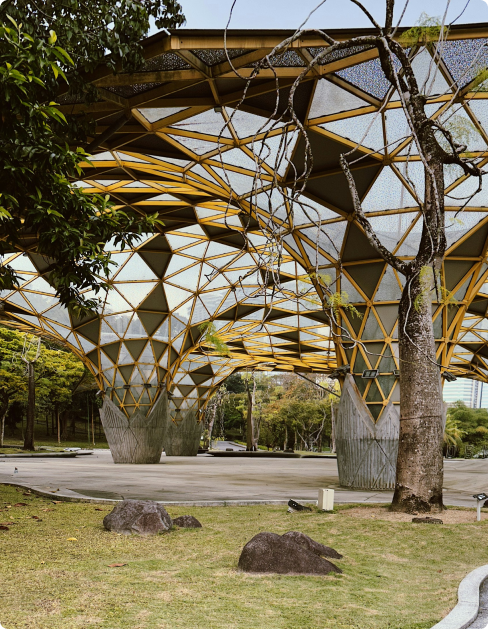
At KAUST Urban Lab, livability is about creating urban environments that prioritize the quality of life for all residents. Our research focuses on designing cities that foster health, well-being, and community engagement while providing access to essential services and amenities. Through thoughtful urban design, sustainable mobility solutions, and inclusive public spaces, we aim to create cities that are not only functional but also enriching, comfortable, and socially vibrant.
Goals
Urban Design for Well-being
Fostering physical and mental well-being through thoughtfully designed spaces that promote health, comfort, and accessibility.
Public Spaces
Creating inclusive, vibrant public spaces that encourage social interaction, cultural engagement, and a sense of community.
Sustainable Mobility
Ensuring that cities are walkable, bikeable, and connected, making transportation efficient and accessible for all.
Health and Safety
Prioritizing urban environments that minimize pollution, provide green spaces, and ensure the safety of all inhabitants.
Access to Services
Developing infrastructure that ensures all residents have access to essential services, including healthcare, education, and public amenities.


Urban Lab Research Vision
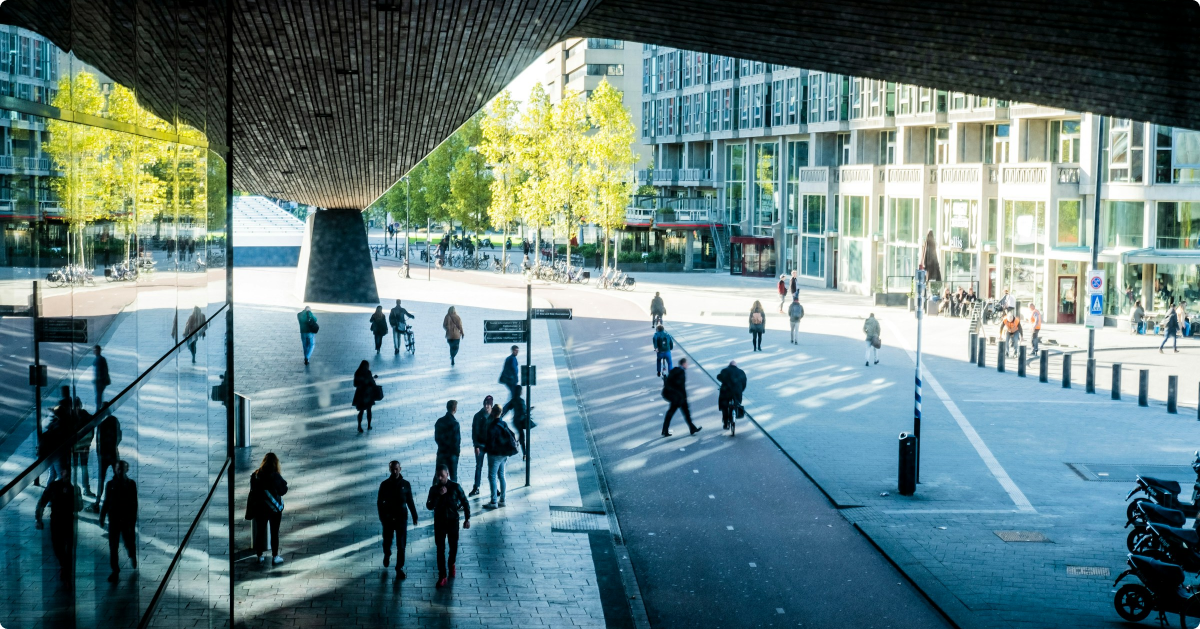
Livability is a central focus of our work at KAUST Urban Lab, driving our mission to create cities that offer high quality of life for all. We aim to design urban environments that are healthy, safe, and inclusive while promoting social and cultural vibrancy. As Saudi Arabia continues its rapid urbanization, our research, education, and outreach efforts are aligned with creating livable cities that meet the needs of diverse populations, supporting the Vision 2030 goals and contributing to global urban development. .
1. Designing walkable and accessible urban environments that promote social interaction.
2. Researching the impact of public parks and green spaces on community well-being.
3. Developing sustainable transportation networks that prioritize pedestrians and cyclists.
4. Exploring smart city solutions to improve access to healthcare and public services.
5. Investigating urban health strategies to reduce pollution and improve air quality.