
APPROACH
CLIMATE ANALYTICS
At KAUST Urban Lab, Climate Analytics is a critical approach aimed at understanding and addressing the impacts of climate change on urban environments. Through advanced data modeling and analytics, we assess how changing climate conditions affect air and water quality, human health, and the resilience of urban systems. By leveraging cutting-edge tools and research methods, we help cities prepare for and mitigate the effects of climate change, ensuring that urban planning and development are responsive to environmental changes.
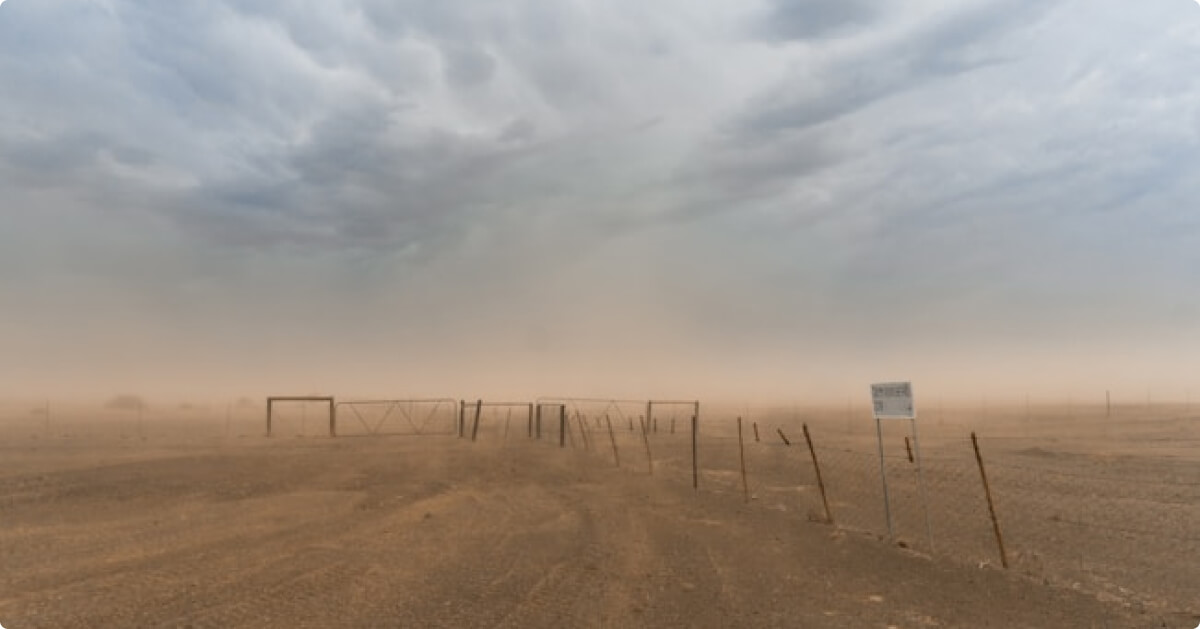
Key Focus Areas
Predictive Climate Modeling
Using advanced simulation tools to predict future climate scenarios and their impacts on urban infrastructure, guiding climate-resilient planning.
Health and Climate Nexus
Understanding how climate change affects public health, including the increase in heat-related illnesses and the spread of climate-sensitive diseases.
Water Quality Monitoring
Investigating the impact of climate change on urban water resources and ensuring clean and sustainable water supplies for future generations.
Air Quality Impact Analysis
Studying the effects of climate change on urban air quality and exploring solutions to reduce air pollution in growing cities.
Climate Risk Assessments
Analyzing the risks that climate change poses to cities, including extreme weather events, heatwaves, and rising sea levels.
Key Projects
This project analyzes the performance of rooftop photovoltaic systems in response to climate variations, evaluating the potential of renewable energy to support urban resilience in the face of climate change and fluctuating energy demands.
This project focuses on water management strategies in the context of climate change, using system dynamics models to evaluate the impact of water-efficiency policies on energy consumption and CO2 emissions. The findings support the development of sustainable water systems in urban areas.
This project evaluates how climate change will impact future energy demands in the GCC region. It identifies the growing need for cooling in buildings and explores strategies for reducing energy use in a hotter climate, helping cities adapt to climate challenges.
This project investigates the effects of climate change on solar power and desalination systems, using a polygeneration model to ensure efficient energy and water production under changing climate conditions. The findings help optimize energy production and water use in small communities.
This project uses satellite imagery to assess the impact of the urban heat island effect on temperatures in cities like Doha, Qatar. It examines how natural vegetation and urban design can mitigate heat island effects, improving urban climate resilience.
Future Directions
At KAUST Urban Lab, Resiliency Analysis is essential for preparing cities to face the growing challenges posed by climate change, natural disasters, and urbanization. By embedding resilience into our research, education, and outreach efforts, we aim to support Saudi Arabia’s Vision 2030 and global climate resilience initiatives. Our future work will focus on developing adaptive infrastructure, enhancing energy and water system resilience, and creating transportation networks that can withstand disruptions, ensuring urban environments remain functional and livable under various conditions.
1. Developing predictive models for climate change impacts on urban infrastructure and resources.
2. Researching the relationship between climate change and public health, focusing on heatwaves and air quality.
3. Expanding water quality monitoring programs to address climate-related challenges in urban areas.
4. Enhancing renewable energy integration into urban systems to mitigate the impact of climate change.
5. Collaborating with policymakers to create climate-resilient urban strategies that align with global sustainability goals.
Life Cycle Thinking
Assessing the social, economic, and environmental impacts of products and processes throughout their life cycle.

Resiliency Analysis
Enhancing infrastructure resilience to climate, disaster, and environmental risks.

Climate Analytics
Addressing regional climate change impacts on air and water quality, and human health.
Socio-economics
Examining the interaction between sustainability concepts and daily life activities.

Intelligent Computing
Utilizing integrative processes for collaborative design, construction, and operation of sustainable built environments.